OSINT Case Management: Keeping Notes, Evidence, and Retention Under Control
A simple operating model for keeping OSINT work reviewable, minimally collected, securely handed off, and deleted when it is no longer needed.
OSINT work can become difficult to audit when links, screenshots, and notes spread across personal folders and chat threads. Case management does not need a complex platform. It needs a consistent record of why the work was authorized, what was observed, where it came from, who owns the next step, and when the record should be reviewed or removed.
Use one finding format
Keep observation separate from interpretation. “The page displayed an unapproved contact address” is an observation. “This may confuse customers” is an assessment. “Brand protection should review” is a recommendation. This structure lets a reviewer challenge the reasoning without losing the source.
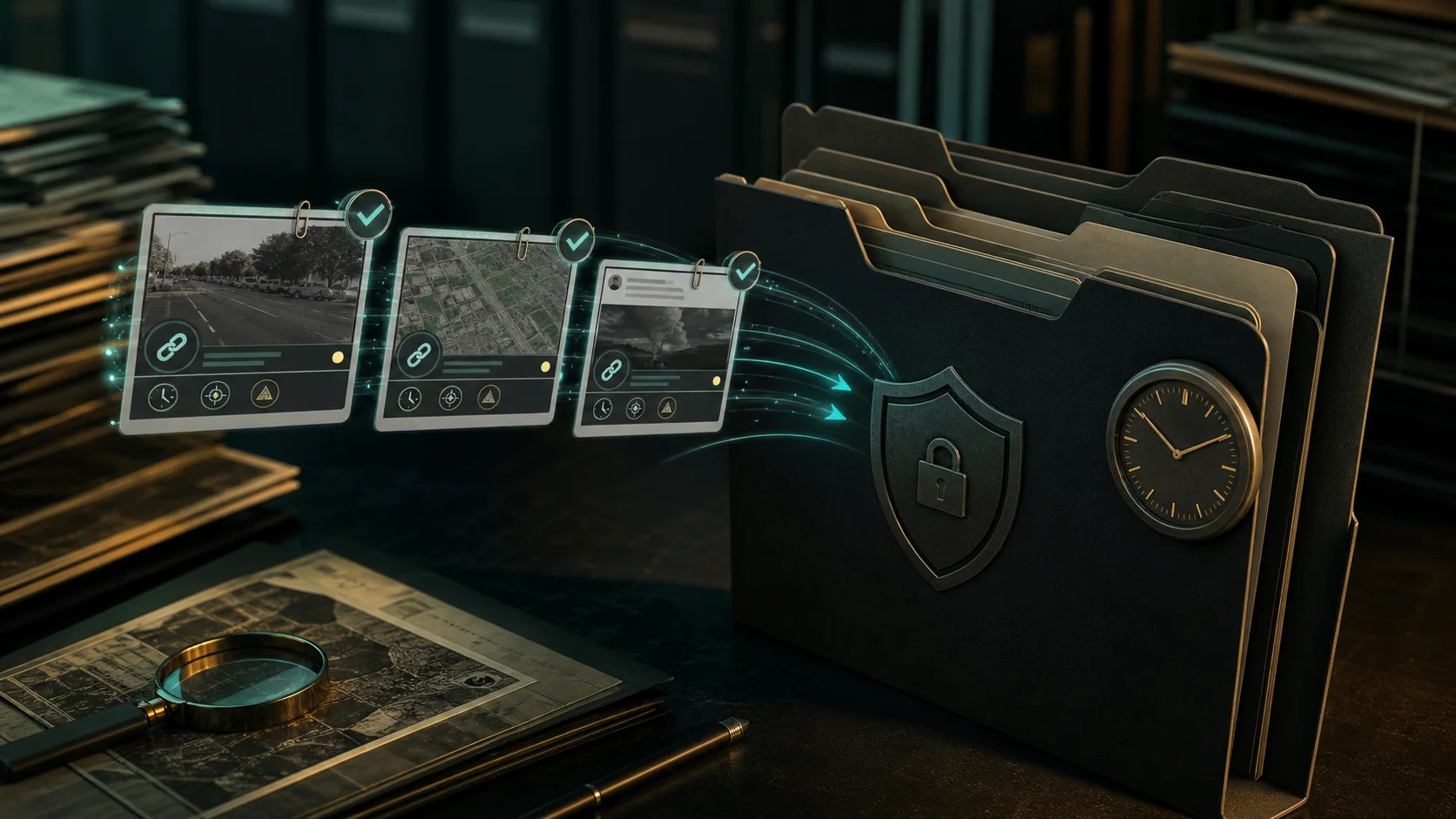
Give every case an owner and end state
| State | Meaning | Record needed |
|---|---|---|
| Open | A defined question has an authorized owner. | Scope and next review date. |
| Escalated | A security, legal, trust, or business owner received it. | Handoff time and recipient. |
| Closed | The issue was resolved, irrelevant, or inconclusive. | Disposition and retention decision. |
Minimize and retain intentionally
Store direct links and short notes where possible instead of copying whole profiles or pages. If screenshots are needed, retain only the relevant visible evidence and protect it according to policy. Do not keep open-ended personal archives because a source was publicly available.
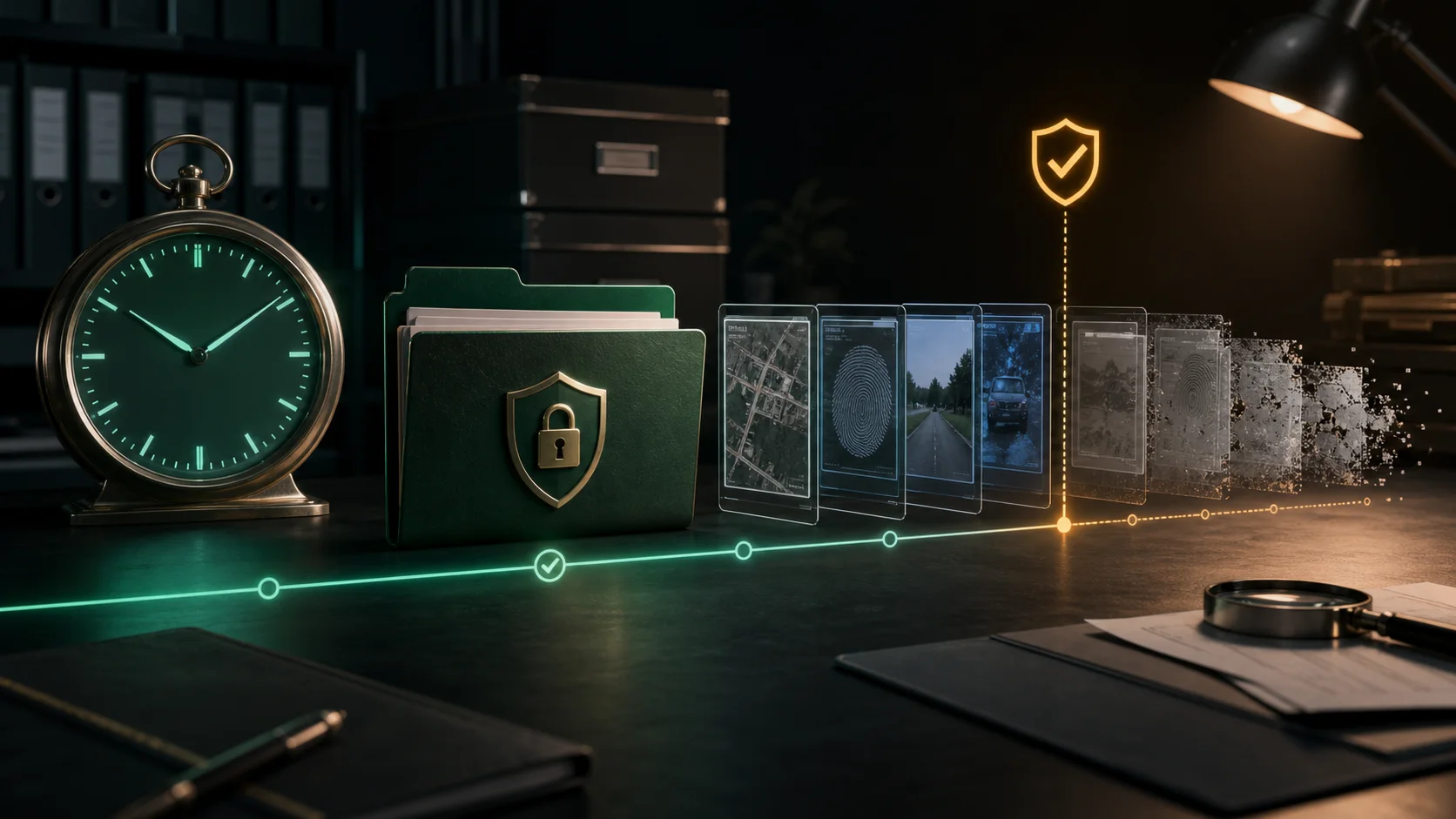
At closure, record the decision, complete the handoff, and delete local duplicates. A calm case process improves quality, privacy, and continuity when the next reviewer needs to understand what happened.
// USEFUL_INTEL?
Signal that this research note was useful.