Public Event Security: Reducing Unnecessary OSINT Exposure
A lifecycle-based guide for reducing unnecessary public exposure before, during, and after an event while preserving useful attendee communication.
Public events need information to be discoverable: date, venue area, registration route, accessibility details, and support contact methods. The challenge is to publish what attendees need without publishing operational details that create unnecessary safety, privacy, or impersonation risk. An OSINT exposure review helps an organizer see how official information combines across public pages.
Review the complete public event footprint
Start with the official event page, registration pages, social accounts, speaker biographies, sponsor pages, venue directions, support mailbox, and public posts. Search engines and tools such as SpiderFoot.tools can surface public references to an event domain or official contact route, but they should supplement a documented owner inventory rather than replace it.
Map each item to a purpose. A public accessibility contact may be essential. A staff member personal phone number, backstage schedule, security routine, or live room-by-room movement plan is rarely necessary for the audience. The right answer is often to publish a controlled support route rather than an individual contact.
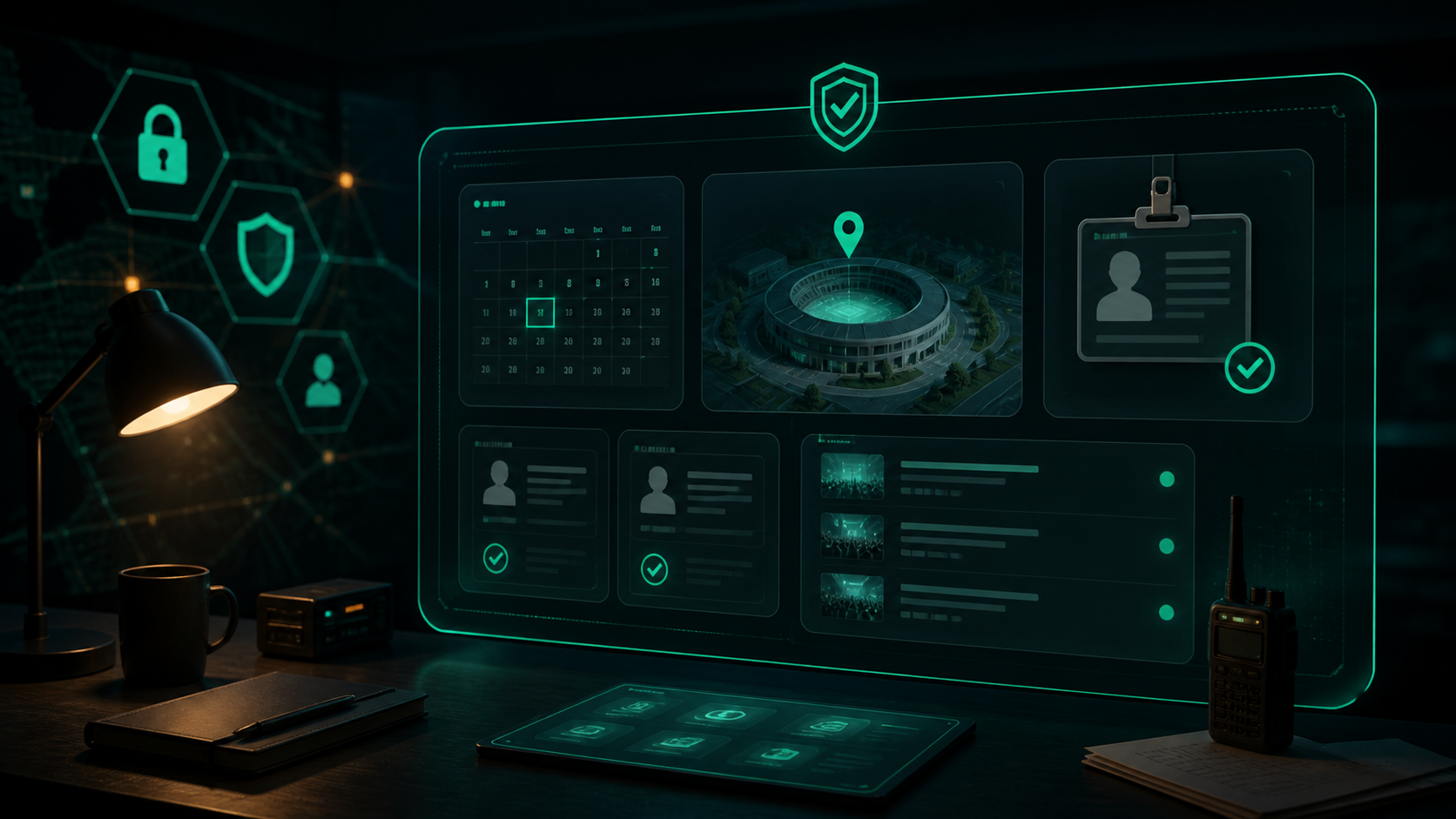
Use an event lifecycle checklist
| Stage | Focus |
|---|---|
| Before the event | Verify official links, ticket routes, contact ownership, speaker consent, and removal dates. |
| During the event | Use a single public update channel and avoid real-time operational or attendee location details. |
| After the event | Remove temporary contacts, retire schedules, and review recordings, photo galleries, and archived pages. |
Temporary material is easy to forget. A social post, calendar attachment, volunteer roster, or public map can remain indexed long after the event. Give each temporary item an owner and an expiry date before it is published.
Reduce impersonation and support confusion
Publish the official website and support channels in one durable location. Tell attendees that organizers will not request payment, login codes, or sensitive details through unexpected direct messages. Use consistent account naming and link official profiles from the main event page. These simple reference points make it easier for attendees to ignore lookalike accounts and misleading messages.
If a suspicious public account or page is reported, preserve the direct URL, time, and specific mismatch. Do not engage with the suspected account or amplify it through broad public replies. Route the finding to the platform, brand owner, safety team, or other authorized responder.
Coordinate public information with safety owners
A communications team should not have to guess which detail is operationally sensitive, and a safety team should not have to rewrite every attendee update. Create a fast review path for high-impact changes: venue changes, emergency notices, speaker cancellations, and support contact updates. The purpose is to deliver accurate public information without exposing staff routines or internal decision paths.

Close the event footprint deliberately
After the event, audit official pages for stale ticket links, temporary inboxes, outdated access instructions, attendee images, and recordings. Remove or redact material according to consent, policy, and legal requirements. Keep a concise record of what changed and who approved it. Avoid retaining unneeded attendee data merely because it was visible during the event.
Event security is not about secrecy. It is about intentional public communication: enough information for people to participate safely, and no extra operational context for strangers to assemble.
// USEFUL_INTEL?
Signal that this research note was useful.