Public Git Repository Exposure: A Defensive Review Checklist
A safe review process for organizations assessing what their own public repositories reveal, with emphasis on authorization, context, remediation, and restraint.
Public repositories are meant to be discoverable, yet they can reveal more organizational context than a team intended: outdated documentation, example configuration, ownership clues, historic endpoints, or references to retired services. A defensive review helps an organization understand that public footprint. It should never become an invitation to search for secrets, exploit systems, or investigate repositories outside the approved scope.
Inventory what is intentionally public
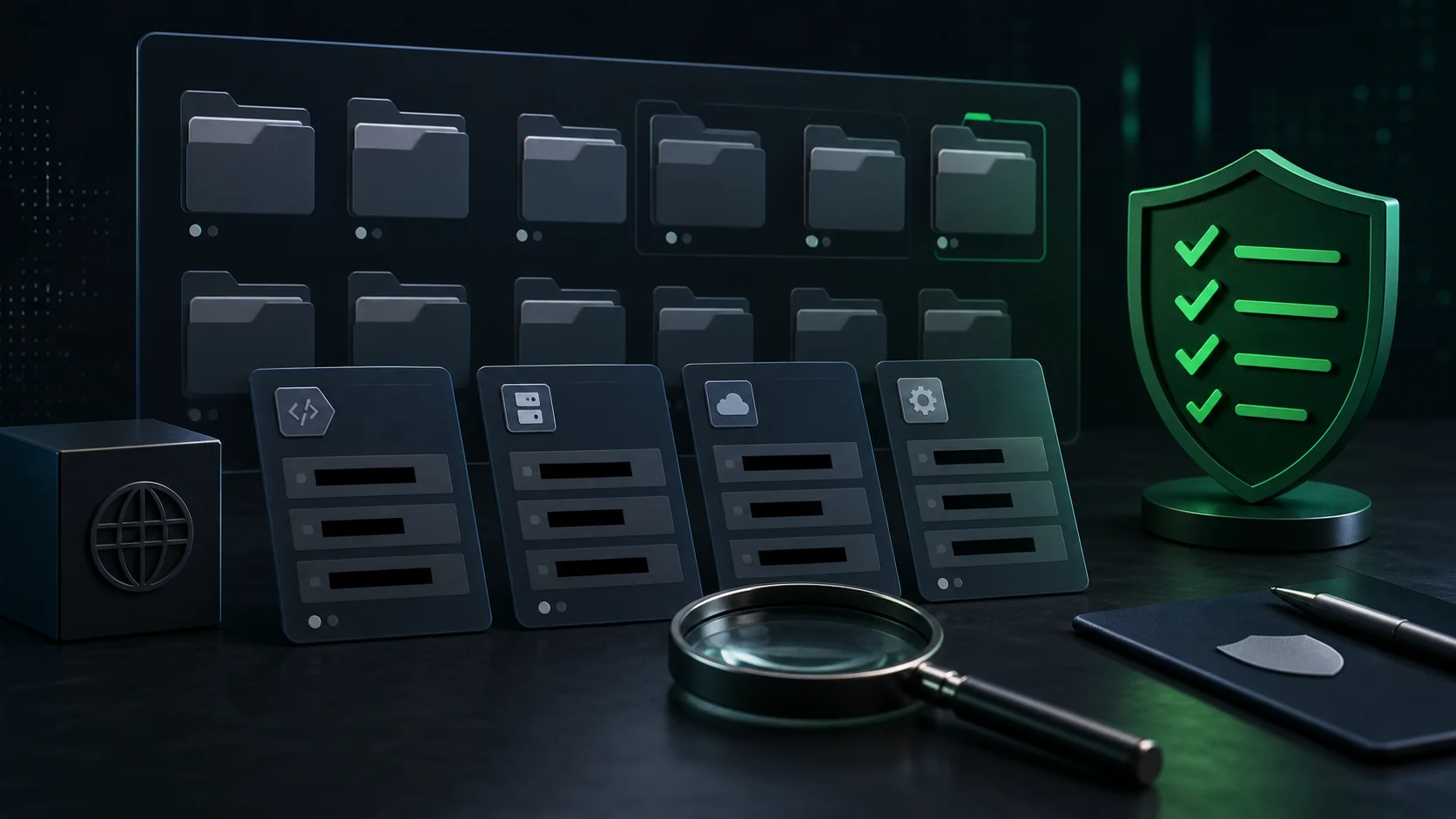
Begin with the organization's approved repository list, official source-control groups, public package pages, documentation sites, and known developer accounts. Establish an owner for each asset. The goal is not to find every repository that mentions a familiar name; it is to compare the intended public inventory with what is actually visible.
Review context, not exploit paths
Look for information that changes a defender's understanding of public exposure: stale contact details, retired brand names, accidental internal links, environment labels, unmaintained example files, or public issue discussions that point to an outdated support process. Do not validate a suspected secret, run code, access non-public endpoints, or reconstruct deleted material. A suspicion is enough to trigger an internal security review.
| Review area | Defensive question | Appropriate next step |
|---|---|---|
| Ownership | Is the repository maintained by the organization and still intentionally public? | Confirm an accountable owner and current purpose. |
| Documentation | Do public guides reference obsolete systems or contacts? | Update or remove stale public guidance. |
| Configuration examples | Do examples teach safe placeholders and current practices? | Replace sensitive-looking values and review with security owners. |
| History and issues | Does the public discussion reveal more operational context than necessary? | Escalate internally; avoid copying sensitive content into new places. |
Separate exposure from impact
Something public is not automatically exploitable, and a hard-to-understand artifact is not automatically harmless. Write the observation first, then let the correct owner assess impact. “The public readme links to a retired support hostname” is an observation. “The hostname can be compromised” is a separate technical claim that needs authorized validation and may require a different team.

Build a calm remediation path
- Capture the repository URL, file path or issue link, and observation date.
- Classify the item as stale context, possible sensitive material, ownership ambiguity, or false positive.
- Notify the repository and security owners through an approved channel.
- Rotate, remove, update, or archive only under the owner's change process.
- Recheck the intended public state and record the closure decision.
A mature public repository review keeps engineering and security aligned. It improves the public story an organization tells without turning routine maintenance into invasive research.
// USEFUL_INTEL?
Signal that this research note was useful.