Recognizing Social Engineering Pretexts with OSINT
Understand how attackers turn ordinary public context into persuasive stories, and build verification habits that do not depend on guessing intent.
Social engineering often works because the message contains a few details that feel familiar: a real executive name, a current project, a supplier relationship, or an event mentioned online. Those details may be public and accurate. The risk appears when familiarity is used to rush a recipient past normal verification.
Recognize the structure of a pretext
A pretext combines context, authority, urgency, and a requested action. Context may come from a public staff page or a conference announcement. Authority may be borrowed from a known brand. Urgency may be framed as an invoice, account lock, executive request, or security notice. The requested action is usually the part that matters: opening a file, sharing a code, changing payment details, or moving a conversation to an unapproved channel.

Use signals without treating them as proof
Sender display names, unexpected timing, unusual payment changes, lookalike domains, and pressure to bypass process are useful signals. No single signal proves intent. A legitimate colleague can send a rushed message; a fraudulent message can use a correct name. The reliable response is to verify the requested action through a known-good channel.
| Situation | Unsafe shortcut | Safer verification |
|---|---|---|
| Payment instruction changes by email | Replying to the address in the message. | Call a known number from your vendor record. |
| Executive asks for an urgent transfer | Trusting the display name or writing style. | Use the established approval channel and a known contact method. |
| Security alert requests a password reset | Following the message link. | Open the service from a saved bookmark or trusted portal. |
| New support account contacts customers | Continuing the direct message. | Compare it with official support information and report through the platform. |
Verify independently
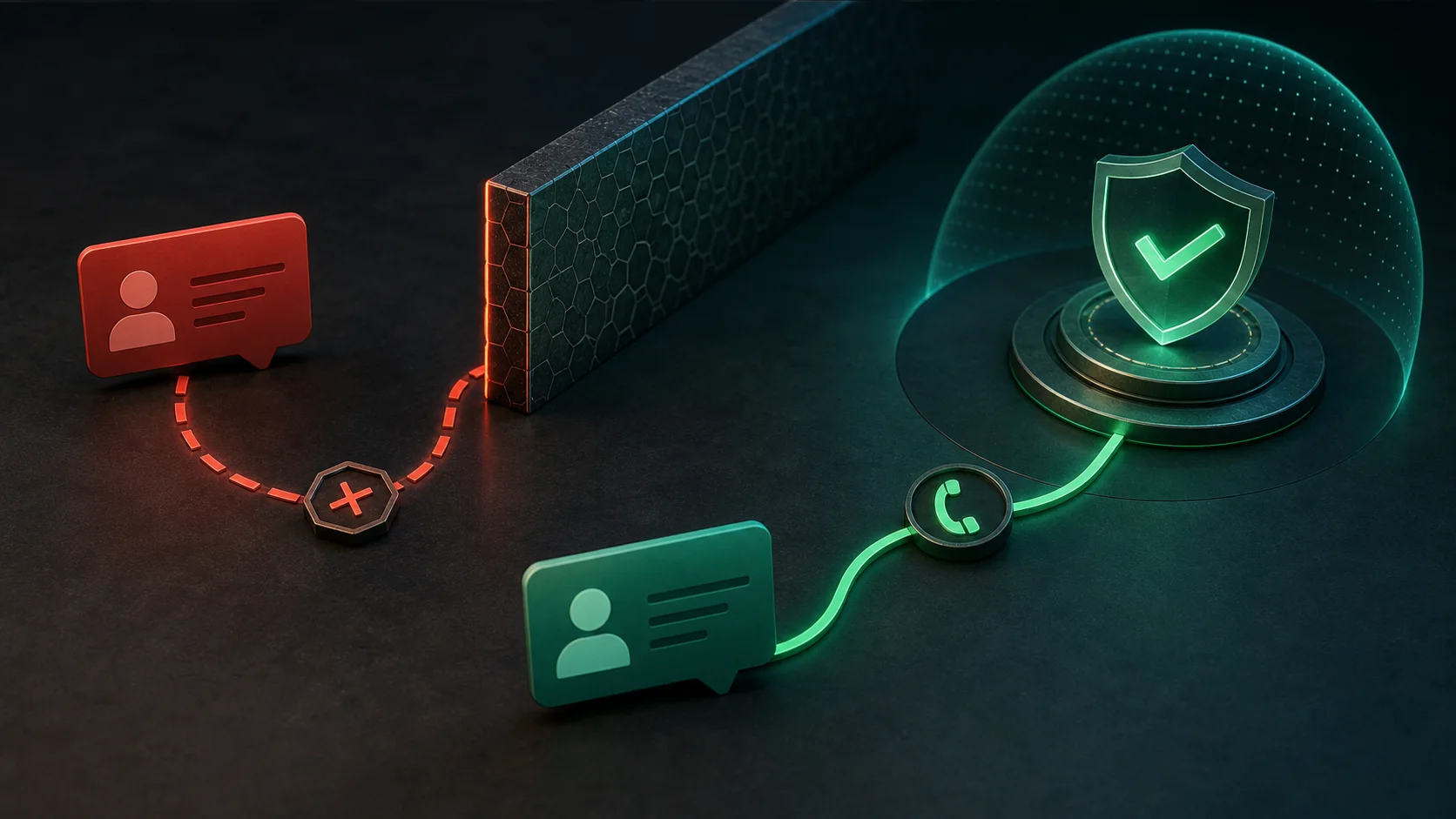
Independence is the key: do not use a contact method supplied by the unverified message to validate that same message. Find the official domain, phone number, service portal, or internal directory you already trust. If the request is sensitive, require a second approver even after the sender is confirmed.
Reduce the public context attackers can reuse
Organizations should review what is deliberately public: staff role descriptions, travel announcements, project calendars, supplier names, support escalation paths, and old contact details. The objective is not secrecy. It is to avoid publishing unnecessary combinations that make impersonation easier, while keeping legitimate information accessible to customers and candidates.
When a suspicious message appears, preserve the original through the approved reporting channel and avoid extended engagement. Security teams can correlate reports and issue guidance; individual recipients should not investigate the sender, attempt technical testing, or publicly accuse a person or organization from a partial signal.
// USEFUL_INTEL?
Signal that this research note was useful.