Preserving Public Web Evidence: A Practical Chain of Context
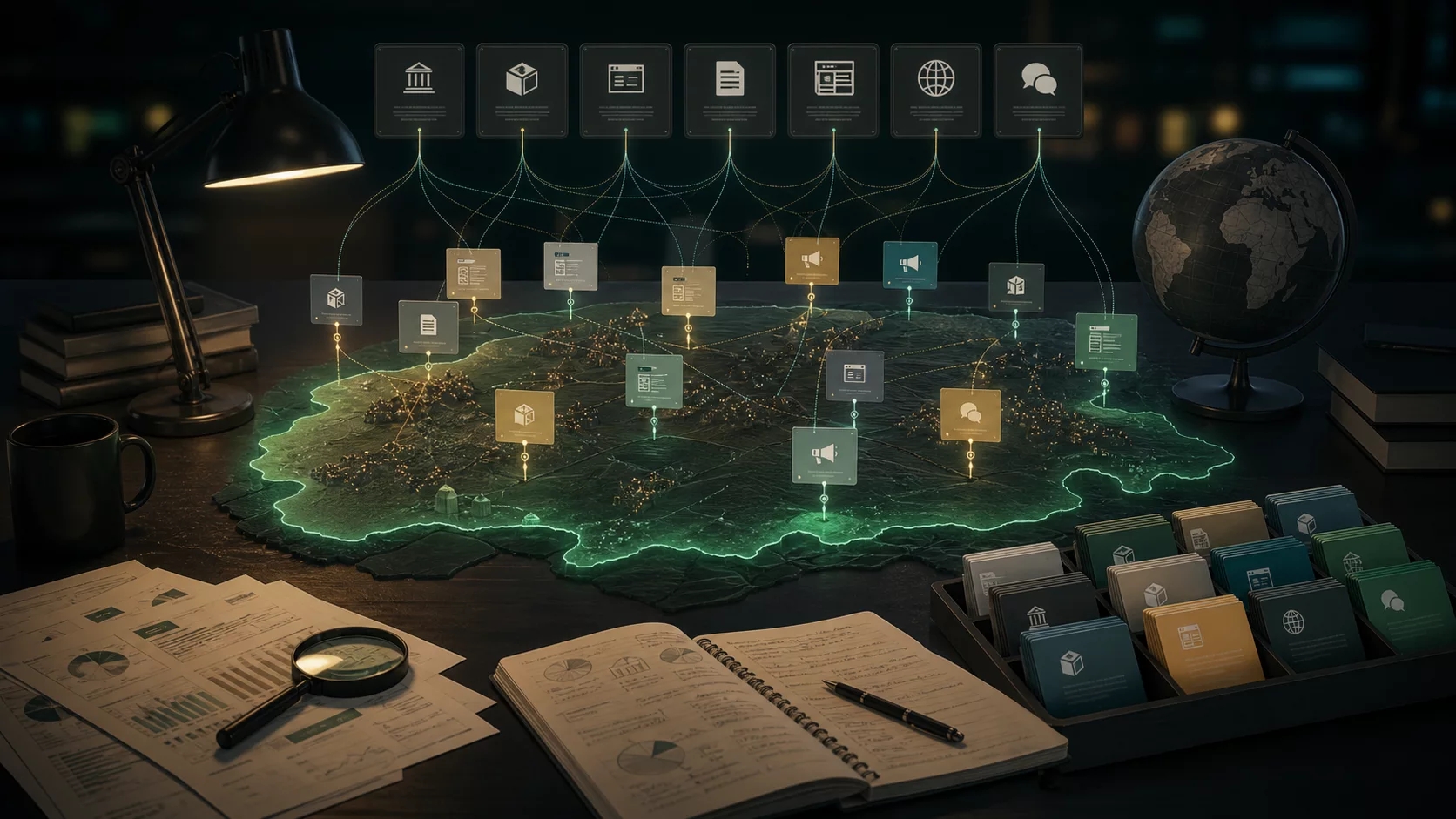
How to preserve public web evidence with source, time, context, and review notes so a finding remains understandable after a page changes.
> Research notes, practical reconnaissance workflows, and digital-footprint investigation guides.
How to preserve public web evidence with source, time, context, and review notes so a finding remains understandable after a page changes.
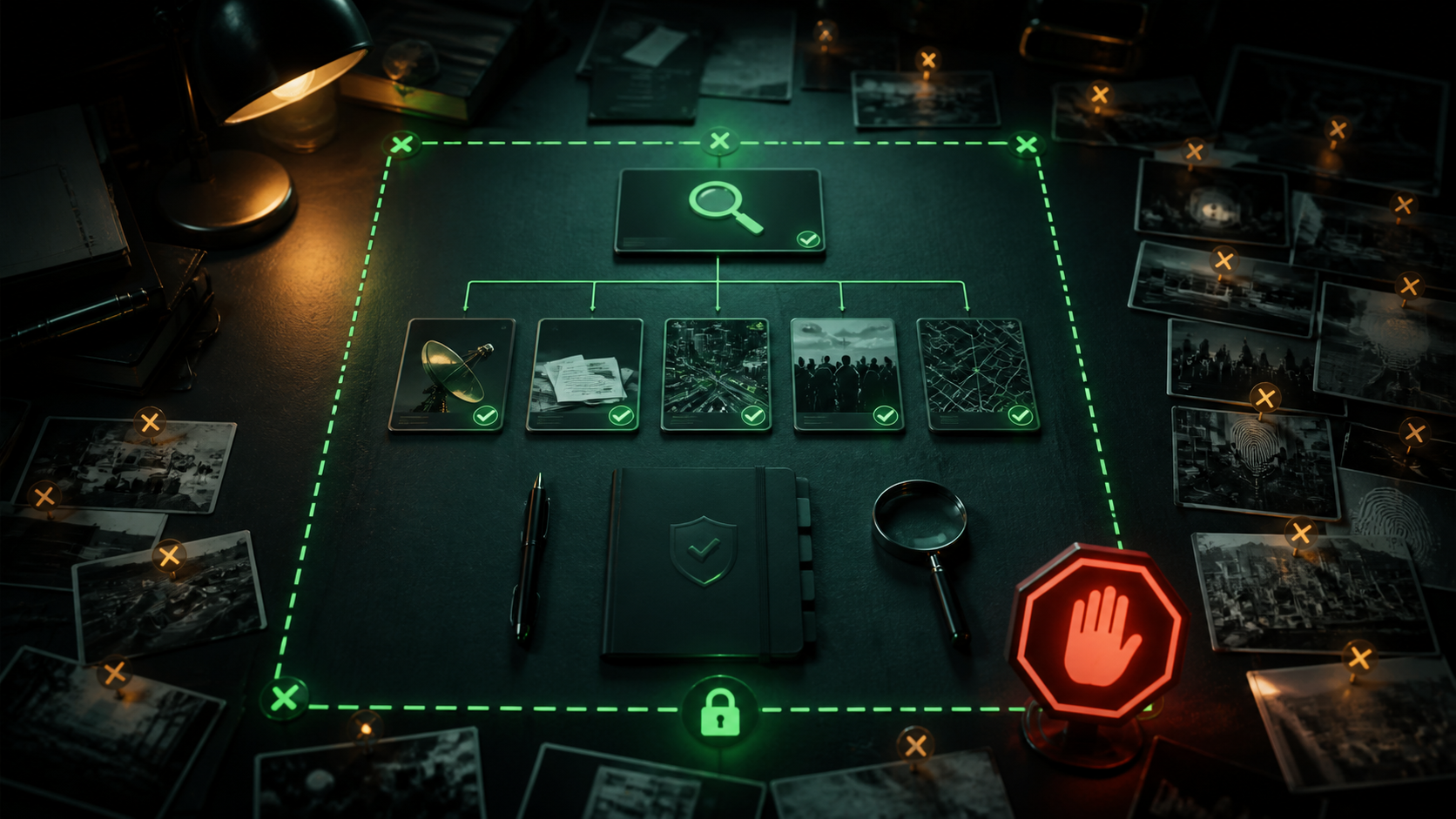
A practical framework for keeping OSINT work tied to an approved question, relevant sources, and clear stop conditions.
A fair, bounded approach to using public information for market research without invasive collection or unsupported claims.
A defensive framework for helping customers distinguish official support routes from lookalike accounts, pages, and messages.
A privacy-aware review for high-visibility professionals to reduce unnecessary public context while retaining intentional business communication.
A governance-focused guide to tracking organization-owned domains through active, redirect, retirement, and review stages.
A restrained method for handling public breach claims: separate rumors from sources, preserve only needed evidence, and leave communication to authorized owners.
A simple framework for deciding which public OSINT findings need monitoring, an owner review, incident handling, or no further action.
A careful explanation of why public map, image, and timing clues are context—not automatic proof of a precise location or identity.