How to Assess Third-Party Risk with Open-Source Intelligence
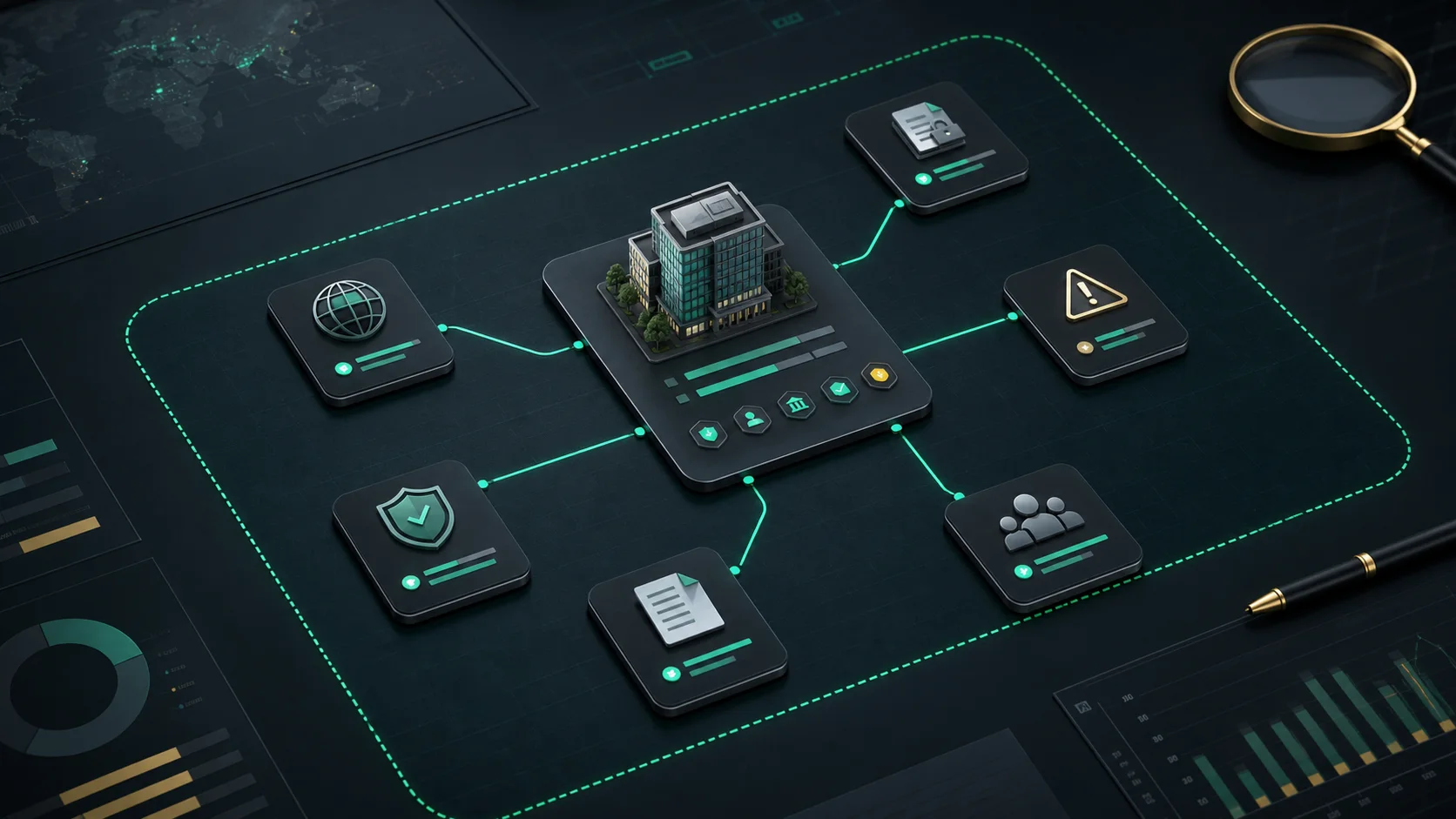
Use public information to support vendor and partner risk conversations without confusing incomplete signals for a verdict on a business or person.
> Research notes, practical reconnaissance workflows, and digital-footprint investigation guides.
Use public information to support vendor and partner risk conversations without confusing incomplete signals for a verdict on a business or person.
A safe review process for organizations assessing what their own public repositories reveal, with emphasis on authorization, context, remediation, and restraint.
A bounded way to use public information during a security incident: prioritize context, avoid risky validation, preserve evidence, and escalate responsibly.
Learn how provenance, independence, timing, and context turn public information into a defensible observation instead of an overconfident conclusion.
A practical framework for setting purpose, authority, boundaries, and stop conditions before an OSINT query turns into unnecessary collection.
Email OSINT can be legitimate in the right context, but legality and ethics depend on authorization, purpose, local rules, data handling, and the impact of your decisions.
A defensive, evidence-first checklist for recognizing possible brand impersonation in public profiles and documenting it without engaging a suspicious account.
A result card is a starting point, not proof. Learn why false positives happen in username and email OSINT, and how to verify a meaningful finding responsibly.
A realistic privacy checklist for reducing unnecessary public exposure while keeping the online accounts and communities that matter to you.